C.Ph.E. Bach, Haydn en Mozart voor strijkers
De inschrijving voor deze cursus is gesloten.Direct inschrijven
-
Datum en tijd
27-05-2023
-
Soort cursus
Muziekcursus
-
Locatie Akoesticum
-
Prijzen€ 105,00 Cursusleden€ 115,00 Regulier€ 52,50 t/m 30 jaar
-
Niveau
-
Docent
Rebecca Huber
-
Max. aantal deelnemers
20
-
Uiterste inschrijfdatum
25-05-2023
Omschrijving
‘Oude muziek= omvat de afgelopen jaren meer dan middeleeuwen, renaissance en barok. Ook bij muziek uit latere periodes wordt de historische uitvoeringspraktijk bestudeerd. Musici en musicologen passen de theorieËn over de uitvoeringspraktijk uit de klassieke periode toe op werken van componisten als Haydn, Mozart en Beethoven en werpen zo nieuw licht op hun muziek. Rebecca vertelt er alles over in twee webinars. Ze geeft een overzicht van de veranderingen die plaats vonden in de korte overgangsperiode tussen de klassieke en romantische periode (1780-1820). Aan bod komt: het effect van de Franse revolutie op de uitvoeringspraktijk, Beethoven en het ontstaan van de ‘self made musician= en een aantal prominente musici uit die tijd die traktaten schreven over stilistische gebruiken.
Je kunt je hier opgeven voor de webinars op 15 en 22 mei om 20.00 uur (deelnemen of terugkijken). Voertaal is Engels, voor zowel de webinars als de cursus.
Na de webinars deelt Rebecca voor verdere verdieping een aantal artikelen en opnames die handig van pas komen tijdens deze dagcursus. We spelen in twee ensembles de volgende stukken:
Carl Philipp Emanuel Bach - Het tweede deel (Andante) uit Symfonie in G groot, Wq. 173
Wolfgang Amadeus Mozart - Het derde deel (Molto allegro) uit Strijkkwartet nummer 2 in D groot
Joseph Haydn - Strijkkwartet Opus 1 nummer 1 in Bes groot
Je kunt meedoen met een modern of een barokinstrument, stemming is A = 440 Hz. Tijdens de workshop komt de theorie uit de webinars regelmatig terug. Rebecca en collega spelen zelf mee in de ensembles, zodat ze moeilijke partijen over kunnen nemen en de stijl kunnen demonstreren.
English text:
'Early music' in recent years includes more than Middle Ages, Renaissance and Baroque. Historical performance practice is also studied in music from later periods. Musicians and musicologists apply theories of performance practice from the classical period to works by composers such as Haydn, Mozart and Beethoven, shedding new light on their music.
Rebecca tells all about it in two webinars. She gives an overview of the changes that took place in the short transitional period between the classical and romantic periods (1780-1820). Topics include: the effect of the French Revolution on performance practice, Beethoven and the emergence of the 'self-made musician' and a number of prominent musicians of the time who wrote tracts on stylistic practices.
You can enroll here for the webinars on 15 and 22 May (to attend or watch later).
In this daycourse we play the following pieces in two ensembles:
Carl Philipp Emanuel Bach - The second movement (Andante) from Symphony in G major, Wq. 173
Wolfgang Amadeus Mozart - The third movement (Molto allegro) from String Quartet No. 2 in D major
Joseph Haydn - String Quartet Opus 1 number 1 in B-flat major
You can participate with a modern or a baroque instrument, tuning is A = 440 Hz. During the workshop, theory from the webinars will recur regularly. Rebecca and colleague play in the ensembles themselves, so they can take over difficult parts and demonstrate the style.
Doelgroep
strijkers, stemming A= 440 Hz. ALLEEN NOG PLEK VOOR VIOLISTEN\r\n
Docent
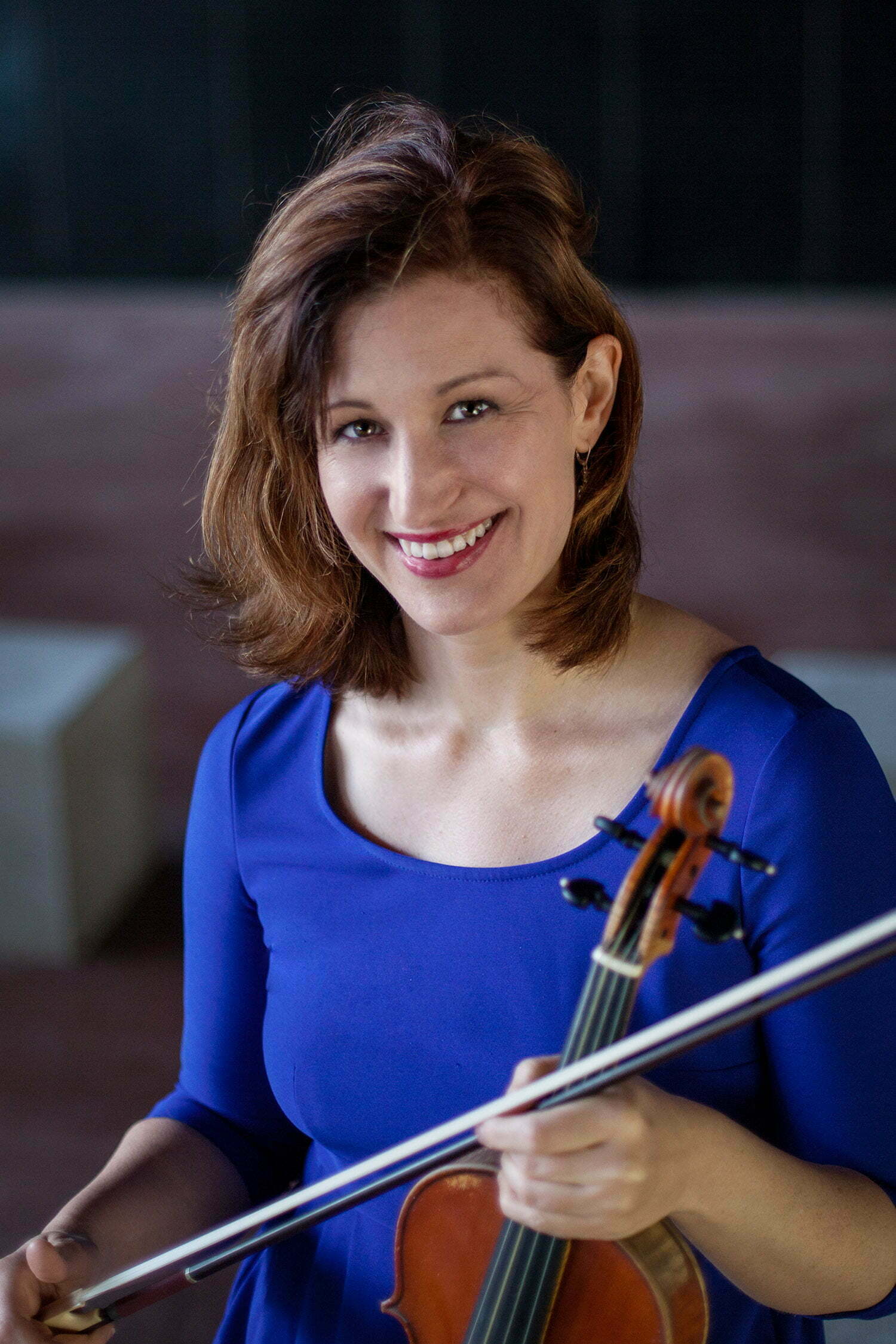
Rebecca Huber
Meer infoDe inschrijving voor deze cursus is gesloten.
Direct inschrijven

Huismuziek steunen en lid worden?
- Korting op cursussen
- 4x per jaar de Bouwbrief